My research brings together machine learning, automatic control, and signal processing. I work on the development of techniques to extract information and learn the intrinsic behavior of time series, signals, and dynamical systems, with a focus on large-scale models and their robustness and generalization.
I am particularly interested in what these advances can bring to medicine, especially cardiology and electrocardiography.
Learning & robustness
Understanding generalization and reliability of large-scale models from first principles.
Signals & systems
Building tools for time series, system identification, and learning dynamics.
AI for medicine
Deploying advanced AI models in medical pipelines.
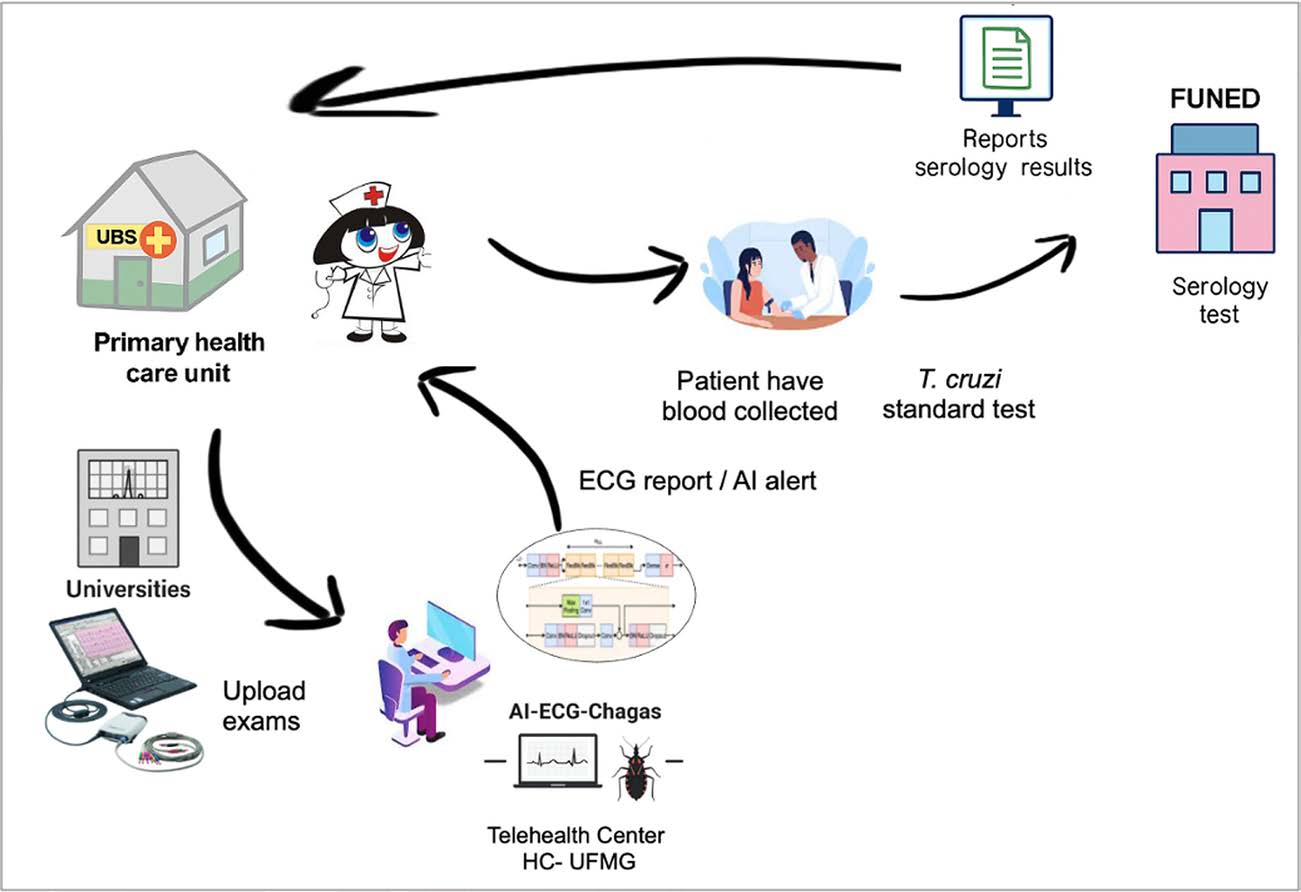
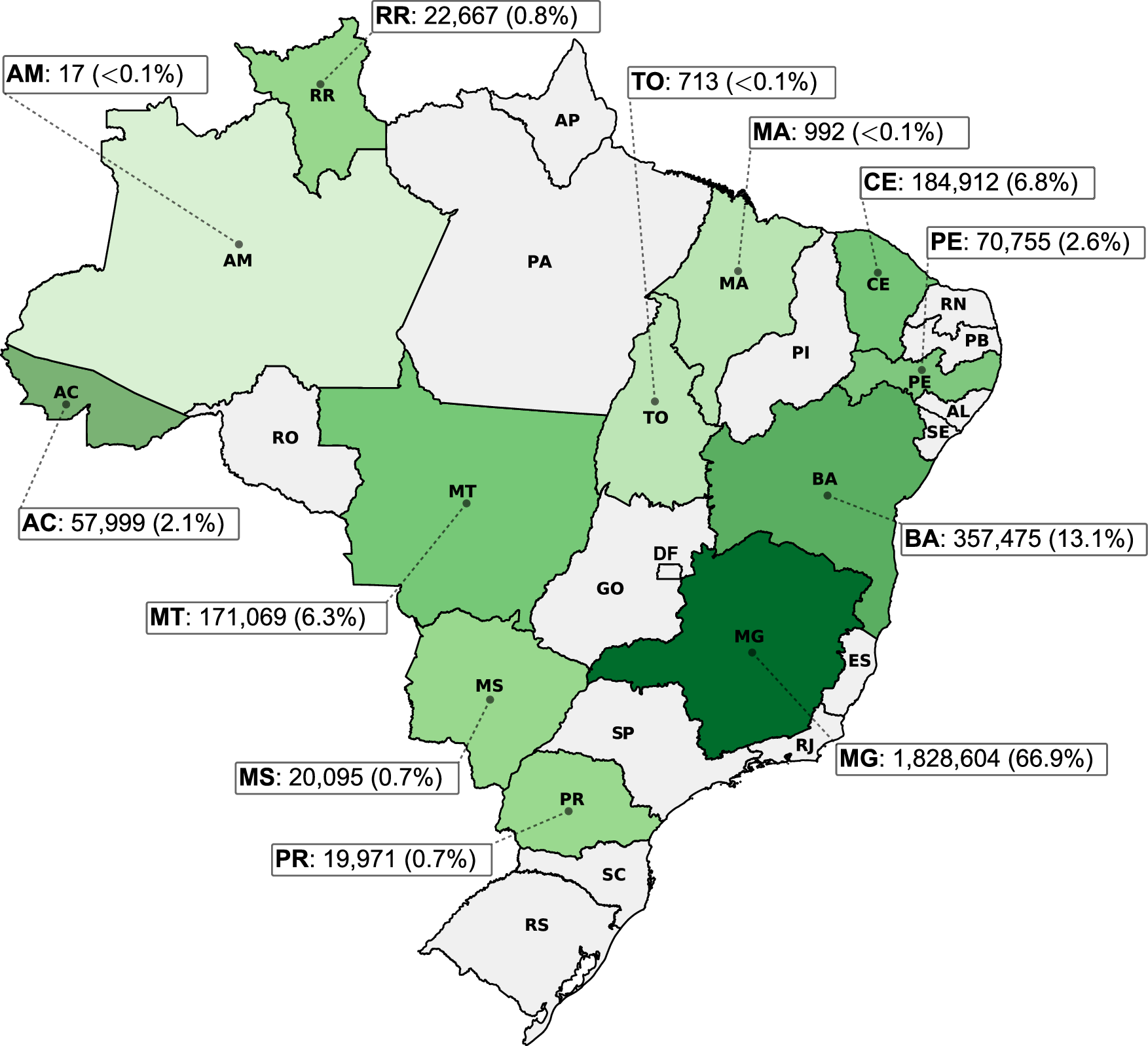
TL;DR AI-based screening during routine ECG care helped identify previously undiagnosed Chagas disease across 107 Brazilian municipalities. Combining ECGs with three risk-factor questions improved discrimination over either source alone.
TL;DR 2.7 million ECGs from 2.1 million patients, labeled across 66 diagnostic classes. CODE-II provides a foundation for training and evaluating ECG models, with an open subset and a dedicated test set for benchmarking.
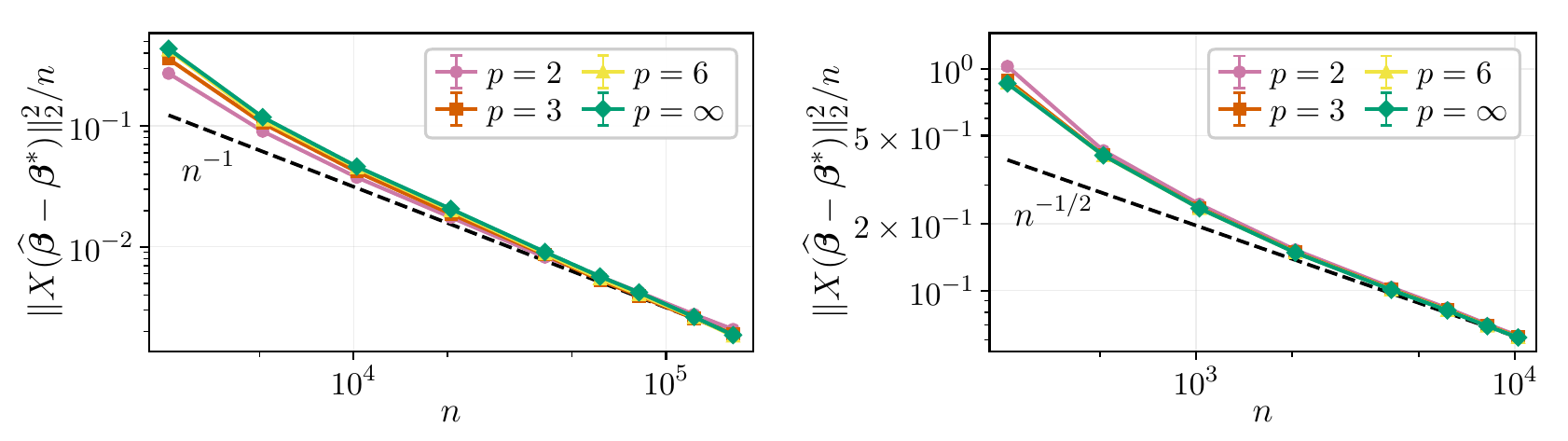
TL;DR We connect distributionally robust linear regression to adversarial training, bringing adversarial regression and square-root Lasso into one framework. This connection yields error guarantees, tuning that does not require knowing the noise level, and efficient algorithms.
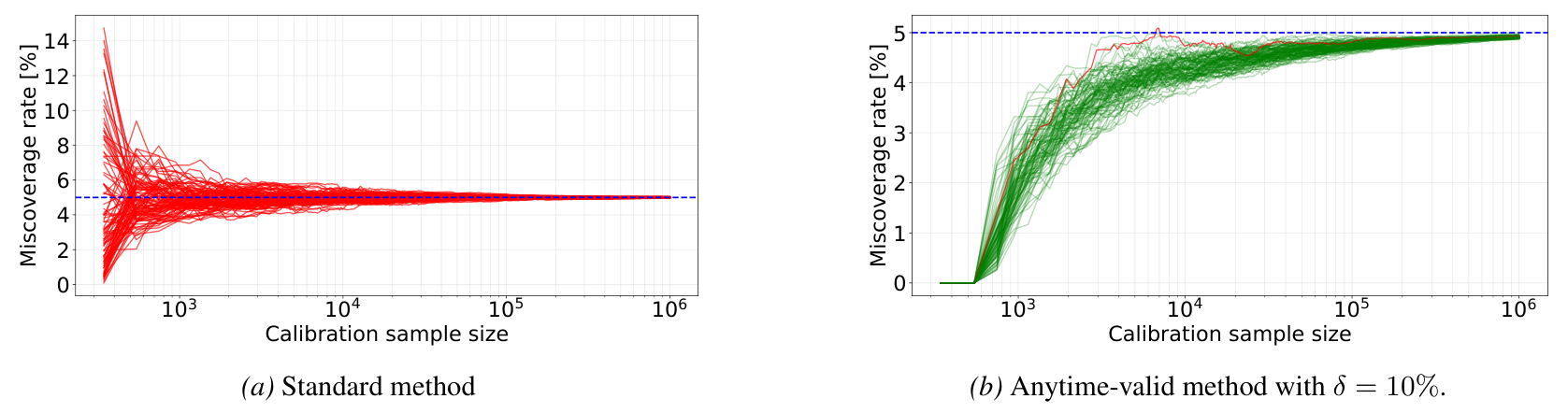
TL;DR We build prediction sets whose risk stays below a chosen level with high probability as calibration data accumulates. The guarantee holds simultaneously at every sample size, so calibration can stop at any time.